

Standing in front of a shelf of creams, it's easy to wonder: what moisturiser should I use? The honest answer is there's no single "best face moisturiser". Moisturising daily is one of the simplest things you can do for your skin, but choosing a formula that matches your skin type is what makes that habit actually work.
Here's how to choose a moisturiser that's right for you, and where to find it.
Start With Your Skin Type
Before you can pick a moisturiser, it helps to understand your skin type: normal, dry, sensitive, or mature, and what each one is asking for.
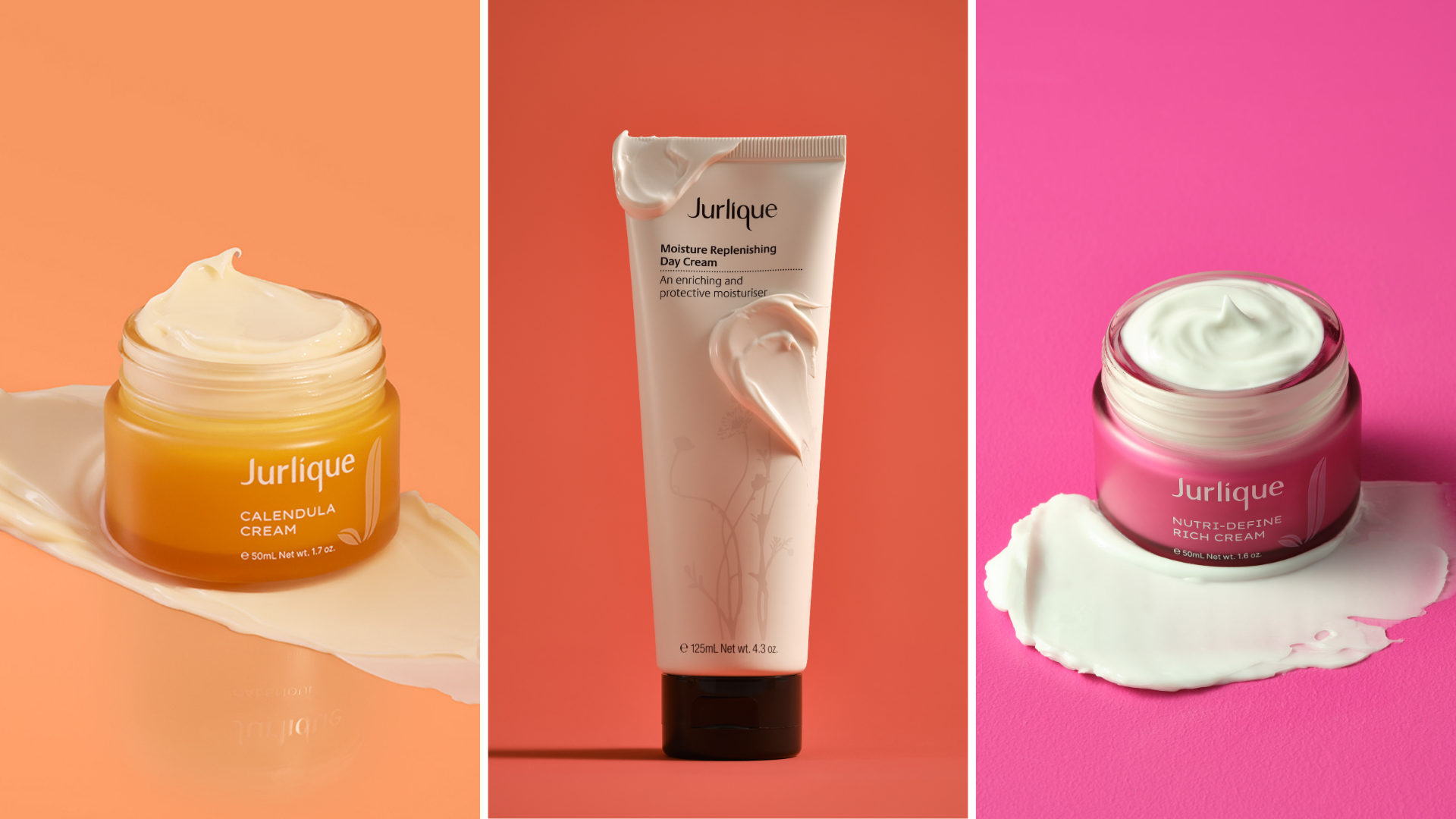
Normal or combination skin generally wants a moisturiser that replenishes and protects without overwhelming it. "A Jurlique cult favourite for a reason, our Moisture Replenishing Day Cream is enriched with farm grown botanicals and a blend of plant oils to replenish and protect the skin like no other," says Katie Morris, Jurlique's Retail & Spa Educator. If your skin isn't showing signs of dryness, sensitivity or ageing in particular, this is a solid everyday starting point.
Dry skin needs a moisturiser for dry skin. Look for rich emollients that help restore the skin's own barrier. A cream built around plant oils and butters, like Jojoba, Safflower, Avocado and Shea Butter, earns its keep here, helping skin hold onto moisture for longer.
Sensitive skin is one of the most common, and most misunderstood, skin conditions. It shows up as redness, dryness, irritation and discomfort, often triggered by genetics, stress and environmental factors like pollution and UV exposure. If this sounds familiar, you're looking for the best moisturisers for sensitive skin, not just the richest one. Jurlique's Calendula Cream was built specifically for this: a soothing, restorative treatment powered by farm-grown Manuka Leaf and Calendula Flower, with Tasmanian Pepper Leaf extract shown to help calm skin and visibly reduce redness. In a month-long clinical study of 33 participants using Calendula Cream twice daily, it was shown to strengthen the skin's moisture barrier by 14%¹ and increase hydration by 39%¹.
Mature skin has different priorities again. "As skin matures, maintaining both hydration and firmness becomes increasingly important," says Katie. "A rich moisturiser with botanical actives like this helps to nourish the skin while achieving a smoother and more redefined appearance." Jurlique's Nutri-Define Rich Cream delivers on that with an advanced delivery technology that helps skin absorb key botanical actives, including Spilanthes Flower extract, more effectively, and is clinically proven to improve elasticity and reduce the appearance of wrinkles after just 28 days.²
Stressed, dull or dehydrated skin, often more a result of your week than your actual skin type, benefits from antioxidant support. "When skin is exposed to daily stress, it often shows up as dullness, dehydration and early signs of ageing," says Katie. "Our Herbal Recovery Cream harnesses antioxidant rich botanicals and Vitamin C to help restore skin energy, resilience and bring back visible radiance."
It's clinically shown to increase hydration by 38.4% after a single application, with continued twice-daily use also shown to improve skin elasticity.³
And if you want something a little more indulgent, "this luxurious moisturising cream delivers lasting hydration throughout the day with our Rose Droplet Technology and exclusive Jurlique Rose extract," says Katie. Jurlique's Rare Rose Cream is clinically shown to increase hydration by 16% immediately after application, with hydration still measurably higher 24 hours later.⁴ A silky texture with Cupuacu Butter and a botanical hyaluronic acid alternative makes it a good option if your skin craves a richer daily ritual.
For a deeper look at whether your skin is dry by nature or just dehydrated right now, read our earlier piece on dehydrated vs dry skin, as the distinction changes what your moisturiser needs to do.
Building the Rest of Your Ritual
A moisturiser works best as part of a full ritual, not in isolation. Pair it with a gentle cleanser suited to your skin type, and browse the full range of face and moisturiser options. Still not sure where to start? Get in touch and our team can point you towards the right formula. Or let Jurlique do the matching for you: our Best Moisturisers guide breaks the full range down by skin type and concern.
Frequently Asked Questions
What ingredients should I look for in a moisturiser?
Look for humectants (like glycerin) to draw in moisture, emollients (like plant oils and shea butter) to soften, and barrier-supporting ingredients to help skin hold onto hydration. If your skin is sensitive, soothing botanicals like Calendula and Chamomile are worth prioritising.
How often should I moisturise my face?
Twice daily, morning and evening, applied after cleansing while skin is still slightly damp so it locks in more hydration.
Should I moisturise if I have oily or skin?
Yes. Skipping moisturiser can encourage oilier skin, as it tries to compensate for lost hydration. Look for a lighter, non-comedogenic formula rather than skipping this step.
What is the difference between lotion, cream, and moisturiser?
"Moisturiser" is the general term for any product that hydrates skin. Lotions are lighter and water-based, suited to warmer weather or oilier skin, while creams are thicker and richer, ideal for dry or mature skin. Read more about it in our gel vs cream vs lotion blog post.
Claims & Sources
¹ Clinical study of 33 subjects using Calendula Cream twice daily for 28 days.
² Clinical evaluation of 53 subjects (elasticity) and 48 subjects (wrinkle appearance) using Nutri-Define Rich Cream, each after 28 days.
³ Clinical evaluation of 33 subjects (hydration, 30 minutes after a single application) and 31 subjects (elasticity, twice daily for 28 days) using Herbal Recovery Cream. No specific elasticity percentage is given in the supplied Claims Master.
⁴ Trial of 22 subjects using Rare Rose Cream, measured by corneometry: +16% hydration on the cheekbone immediately after a single application; +11% hydration on the forearm 24 hours after a single application. These are two separate measurements at two different sites, not the same figure sustained over time.


