

Reviewed by Katie Morris, Jurlique Retail & Spa Educator · 15+ years as a Jurlique Beauty Therapist
If your skin feels tight, flaky or dull, the right ingredients can make a real difference. A small group of plant-powered actives does most of the heavy lifting for dry skin, and knowing what to look for is the first step toward a smoother, healthier-looking complexion.
In this guide, we'll walk through the ingredients that matter most for dry skin, including the well-known names you already trust and the farm-grown botanical alternatives that, in some cases, outperform them.
Dry Skin or Dehydrated Skin? A Quick Refresher
Dry skin is a skin type that lacks oil. It tends to be year-round, often flaky, and may feel rough to the touch. Dehydrated skin is a temporary condition that lacks water, and any skin type can experience it, including oily skin. Most Australian skin needs both addressed. For the full picture, see our guide to the difference between dehydrated and dry skin.
The Three Roles of a Great Hydrating Formula
The best moisturisers and skincare for dry skin combine three ingredient roles: a humectant to draw water into the skin, an emollient to soften and smooth, and an occlusive to seal hydration in.
When all three are present, your skin gets a complete hydration story. Below, the ingredients that do that work best.
The Best Ingredients for Dry Skin
1. Hyaluronic Acid and Cassia angustifolia
Hyaluronic acid is the best-known humectant in skincare. It binds water within the upper layers of the skin to plump and smooth. In very dry climates, it can sometimes draw moisture out of the skin if left exposed, so apply it to damp skin and seal it with a moisturiser.
There is also a plant-based humectant worth knowing about: Cassia angustifolia seed polysaccharide, sometimes called Senna seed polysaccharide. Derived from the seeds of the senna plant, it's used in skincare formulations to help bind water within the skin and support hydration.
Whichever you use, apply it to slightly damp skin and seal with a moisturiser, so the hydration has somewhere to settle.
You'll find Cassia angustifolia in our Rare Rose Serum, paired with farm-grown Jurlique Rose.
2. Glycerin and Natural Humectants
Glycerin is the quiet workhorse of skin hydration. It's a small molecule that draws moisture from the air and binds it within the skin. Propanediol, derived from corn-sugar fermentation, works similarly with a softer, non-greasy feel. These ingredients rarely get the credit they deserve, but if you're scanning a label for dry skin, seeing glycerin or propanediol near the top of the ingredients list is a quietly good sign.
Glycerin and propanediol form the humectant layer across our hydrating moisturisers.
3. Rosehip Oil
A lightweight oil rich in linoleic and linolenic essential fatty acids, both of which the skin uses to support the skinmaintain a healthy barrier. Rosehip absorbs quickly, doesn't sit heavy on the surface, and works for almost every skin type, including the ones that find heavier botanical oils too rich. Look for cold-pressed rosehip oil, and use it within a few months of opening, since the same fatty acids that make it effective also make it prone to oxidation.
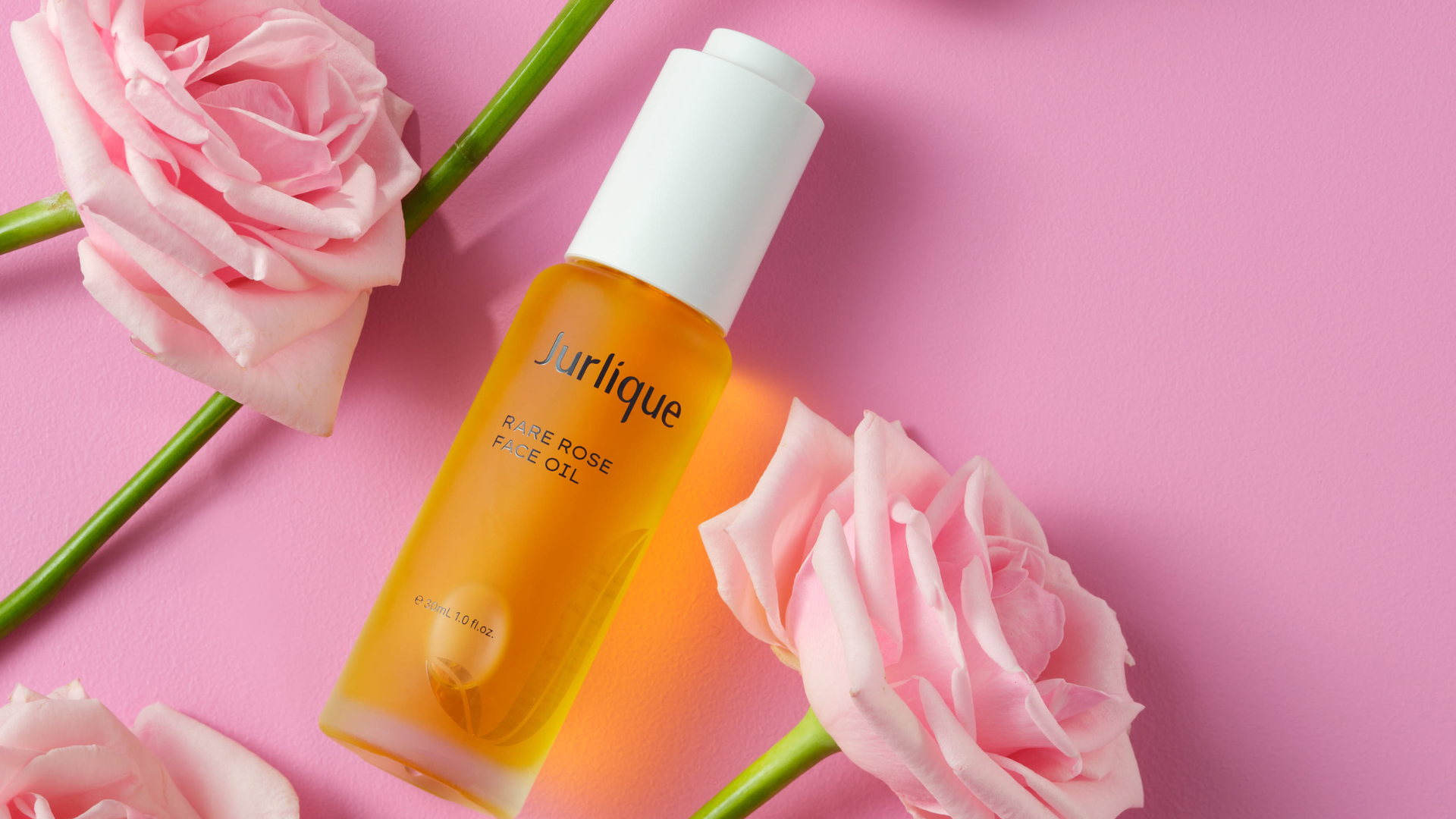
Rosehip is one of the key oils in our Rare Rose Face Oil.
4. Jurlique Rose Extract
Hand-picked from our biodynamic* farm in the Adelaide Hills, Jurlique Rose is one of our signature farm-grown botanicals. Rich in natural polysaccharides and antioxidants, it helps hydrate and soften the skin while supporting the moisture barrier. The Rose extract is featured across many of our formulations, from cleansers and mists to serums and creams.
In our Rare Rose Cream, Rare Rose Serum and Hydrating Mask, the extract is delivered using Rose Droplet Technology: a natural cellulose microcapsule that gradually releases the Rose onto the skin over the course of the day.
Jurlique Rose is the hero ingredient in our Rare Rose Cream
Katie's tip: “This luxurious moisturising cream delivers lasting hydration throughout the day with our Rose Droplet Technology and exclusive Jurlique Rose extract.”
5. Squalane
Squalane is a plant-based lipid that closely mimics the skin's own oils. It's the answer to anyone who wants barrier support without congestion, and it's a lightweight alternative to heavier synthetic emollients like mineral oil. Plant-derived squalane (often from sugarcane or olives) is shelf-stable and oxidation-resistant, unlike squalene with an 'e', which the skin produces naturally and which can go rancid in skincare formulas. The 'a' makes all the difference.
Squalane is featured in our Nourishing Cleansing Oil, alongside eight farm-grown botanicals.
Katie's tip: "Effective cleansing is the foundation of every skincare ritual. Our Nourishing Cleansing Oil gently dissolves makeup, sunscreen and daily impurities
leaving skin perfectly prepared to absorb the benefits of the rest of the ritual to follow."
6. Shea and Cupuaçu Butters
The occlusive layer dry skin needs, in plant form. Shea butter softens and smooths. Cupuaçu butter, from the Amazon, helps the skin retain water for soft, supple results without heaviness. These are natural alternatives to petrolatum and mineral oil, and unlike those synthetics, they don't sit on the surface forming an inert film. Apply richer butters last in your routine, since their job is to seal everything else in.
Shea butter is one of the rich emollients in our Hydrating Mask.
Katie's Tip: "Hydrated skin helps support the skin barrier and maximises the benefits of your skincare ritual. Our Hydrating Mask delivers instant boost of hydration, helping to replenish moisture and leave skin smoother, more supple and glowing from the inside out."
7. Aloe Vera, Marshmallow Root and Calendula
Aloe vera is a long-used plant extract, commonly included in skincare formulations for its soothing qualities. Marshmallow root, calendula and lavender are traditional botanicals often used in skincare for their softening and moisturising qualities. Patch test new products before using them broadly, especially if your skin is reactive, since some botanicals (including essential oils and fragrant extracts) can cause sensitivity in some people.
This botanical trio sits at the heart of our masks and exfoliators range.
Choosing the Right Ingredients for Your Skin
By choosing gentle, botanical-rich formulas with the right combination of humectants, emollients and occlusives, you can help replenish moisture and support smoother, healthier-looking skin all year round. Explore our face care collection for plant-powered formulations across cleanser, serum, mask and cream, or get in touch with our team for personalised guidance.
FAQs
What are the best moisturising ingredients for dry skin?
The best moisturisers for dry skin combine three ingredient roles: a humectant (glycerin, Cassia angustifolia, or hyaluronic acid), an emollient (rosehip oil, squalane), and an occlusive (cupuaçu or shea butter).
Is hyaluronic acid good for dry skin?
Yes. Hyaluronic acid is one of the most effective humectants in skincare, but it works best when sealed in. In dry climates it can actually draw moisture out of the skin if left exposed, so apply it to damp skin, layer it under a moisturiser.
What should I look for in a moisturiser for dry skin?
Look for three things working together: a humectant, an emollient, and a barrier-supporting ingredient. Avoid silicones, drying alcohols and synthetic fragrance if your skin is sensitised. The order of ingredients on the label matters, so humectants and active oils should appear in the top half, not buried at the bottom.
How do I know if my cleanser is making my dry skin worse?
Tightness, squeakiness or a stinging sensation after cleansing are signs your cleanser is stripping the skin. Switch to a cream or oil-based formula that cleanses without disturbing the skin's natural moisture barrier. Explore gentler options in our cleansers collection.
Can body skin benefit from the same hydrating ingredients as the face?
Yes. Humectants, emollients and antioxidants work the same way everywhere. Body skin is generally thicker, so it tolerates richer plant butters and oils especially well, making it a great place for slightly heavier botanical formulations. See our body care collection for hydrating formulas head to toe.
How long does it take for hydrating skincare ingredients to show results?
Surface hydration is often immediate. With a consistent ritual, many people notice a difference quite quickly, while lasting barrier improvement and visible plumpness usually build over two to four weeks of daily care.
About the Expert
With over 15 years of experience as a Jurlique Beauty Therapist, Katie is passionate about helping people achieve healthy-looking, radiant skin with personalised skincare rituals that harness the power of nature.
*Certified biodynamic by ACO Certification Ltd, Australia. Jurlique's products and farm are not certified by Demeter Association Inc.


