

Wellbeing Journal

FACE FACTS: YOUR COMPLETE GUIDE TO DRY SKIN
You know how you feel when your skin is healthy – beautiful, confident and happy. But what about when your skin is showing signs of distress?In this new series, ‘Face Facts’, we’ll cover your top skin concerns – like dry skin – by examining what they are, symptoms, causes and how to address them. Here, you’ll find the knowledge and tools you need to understand the forces impacting your skin, with a focus on reconnecting your body with your actions to address skin concerns in a holistic way.By nurturing your skin, you value and nurture yourself. Read on to learn how you can help your dry skin heal, to do just that.YOUR SKINYour skin protects your body from the world around you. It shields you from the elements, helps control body temperature and is responsible for your sense of touch.Skin is composed of two layers, the epidermis and dermis, and both have several layers of their own. The epidermis is your skin’s outermost layer and produces keratin, a protein that gives skin its protective nature (it also prevents moisture loss). The dermis is your skin’s underlying layer and produces collagen and elastin, proteins that give skin its strength and flexibility. The dermis is also where you’ll find the body’s oil and sweat glands, as well as hair follicles.Your skin is your body’s largest organ, so caring for your skin and paying attention to what it’s trying to tell you are essential for both your skin and your body’s health and wellbeing.WHAT IS DRY SKIN?Dry skin is moisture loss from your skin’s outermost layer, the epidermis.Epidermal skin cells have a 1-month cycle of birth, life, death and rebirth. The topmost layers of epidermal cells, the stratum corneum and stratum lucidum, are the skin’s barrier zone, containing dead cells that hold water and waxy fat until they are shed. When functioning properly, these cell layers form snug grids, creating a waterproof matrix that safeguards healthy underlying skin.When your skin is dry, however, these cells lose moisture and shape, so their ability to protect underlying skin is compromised, with water escaping through the surface. The result? Visibly dry, scaly or flaking skin that feels rough to the touch. On the face, this is most common along its periphery, like your cheeks, jawline and chin (the ‘U-zone’).Prolonged dehydration increases your likelihood of sensitivity and premature ageing, so recognising dry skin as your skin in distress is the first step on the path to better looking skin.HOW DO I KNOW IF I HAVE DRY SKIN?Signs of dry skin can include: Scaliness or flaking Roughness Tightness, especially after cleansing Ageing, especially fine lines around the eyes where skin is thinnest WHAT CAUSES DRY SKIN? AND WHAT CAN I DO ABOUT IT?ENVIRONMENTDry air can cause dry skin. Seasonal extremes like cold winters and hot summers alter humidity levels, lessening the amount of moisture in the air and on your skin – icy winds and burning sun can make things worse. Even climate control like heating and air conditioning can dehydrate skin.To avoid this, cover extremities with extra layers like scarves and gloves that create a barrier against the winter chill; in summer, make sure to wear a hat and sunscreen. Indoors, a humidifier can counteract the effects of internal heating and cooling systems dehydrating your skin.Wild RosesHowever, if your skin is already dry, you will need to add moisture back in. A rich cream with Rose extract will replenish susceptible areas like your face and hands, and contains powerful antioxidants to improve skin health and vibrancy. Drinking more than 2 litres of water daily will also keep your body hydrated during times when skin is more prone to dryness.AGEINGAgeing can cause dry skin as your body’s hormone levels alter. Over time, estrogen production wanes, reducing the amount of collagen and elastin in skin – the proteins that give your skin its structure and elasticity. Skin oil (sebum) production also diminishes. The body’s thyroid function and metabolism slow, and cell turnover occurs less frequently, leaving dead skin cells to build up for longer on the surface. When menopause occurs, these dry skin contributors reach peak intensity, resulting in dry, itchy, and sometimes, cracked skin requiring regular attention and care.In addition, sun damage caused by UV rays can cause dry skin, with photo-ageing giving skin a thick, leathery appearance.To combat age-related dry skin concerns, you need to prioritise pure, potent products that restore skin suppleness, plumpness and smoothness.At Jurlique, we’ve developed targeted pure and potent formulas to combine dry and age-related skin concerns. For visible signs of ageing, our Purely Age Defying Firming Face Oil smooths and evens the appearance of lines, tone, texture and wrinkles, and is best used overnight when skin restoration occurs. This moisturising oil contains ingredients like Safflower Oil to help re-forge the skin’s barrier function, as well as Avocado oil to moisturise more deeply.For mature skin with advanced signs of ageing, from deep lines and wrinkles to sagging and uneven texture, is the answer. This powerful anti-ageing serum helps skin feel retexturised and rejuvenated skin, with ingredients like Meadowfoam to deeply moisturise and soothe dry, itchy areas on the face, as well as Oat extract to form a protective film to protect against future dryness.DIETDrinking caffeine and alcohol dehydrates the body, with your skin directly seeing the effects. Recognising the impact of your lifestyle on your skin is pivotal to swapping these behaviours for new ones that will help your skin back to health.Limiting caffeine and alcohol intake goes a long way to reversing the effects of skin dryness. If you’re really going to miss your morning coffee or tea, there are always other options, such as matcha, a type of green tea that gives you all the benefits of caffeine, but without the jitteriness or afternoon crashes.TOPICAL ACNE PREPARATIONSSome acne preparations can cause dry skin as a treatment side effect. Alcohol-based products, often recommended for their anti-bacterial properties, can lead to skin dryness and peeling, even irritation.Switch to a blemish cream with less drying ingredients, and products containing Calendula extract to help soothe redness and rebalance sensitivity.SKIN TYPESome skin types are simply dryer than others thanks to our genetics. If this is you, then preventative action, as well as looking out for dry skin symptoms (like tightness after cleansing and scaliness or flaking), will help you manage dry skin.If you’ve only just begun to experience dry skin, our Hydration Starter Set has everything you need to replenish and protect: Rose Moisture Plus Moisturising Cleanser, Moisture Replenishing Day Cream, Skin Balancing Face Oil and Rosewater Balancing Mist. This set targets dehydration and prevents moisture loss and environmental aggressors, using Rose extract to achieve your skin’s perfect balance of water and oil for optimum hydration.Your skin is a barometer for what’s going on in your body, and your life. Treat it well, and you’ll enjoy a long, happy relationship together.SHOP THE STORYMoisture Replenishing Day CreamMoisture Replenishing Day CreamRose Hand CreamRose Hand CreamPurely Age Defying Firming Face OilPurely Age Defying Firming Face OilBlemish CreamBlemish Cream 15mlHydration Starter SetHydration Starter Set
Read more
EBBS AND FLOWS
I sat with a beautiful monk in the rice paddies of Bali recently and we spoke in depth about life. Of the many insightful thoughts she offered, one in particular stood out. It was “life is like a river, we never touch the same current twice. Instead we must learn to move with the ebbs and flows”.Whilst balance would be a beautiful thing to have permanently, the reality is that it doesn’t really exist. Instead we must ride the ups and downs of life, learn how to best manage them and implement little practices so our health doesn’t take a hit.It’s fair to say stress plays a large factor in more people’s lives these days than ever before. Time flies, with more work flowing in and less time to manage it, we take short cuts here and there to cope and the first is usually with our diet and health. We move fast, live fast and place huge expectations on ourselves for everything to happen fast.Health and managing stress is an entire lifestyle approach, physical, mental and emotional. With a holistic approach we look at implementing practices such as yoga, meditation, relaxation training, exercise in conjunction with a renewed focus on what nourishment goes inside our bodies. So with that said, there are some key ingredients in diet, which may help manage stress, empower our health and help us better move with the ebbs and flows.LEAFY GREEN VEGETABLESNot to point out the winners before the race has started, but vegetables often take the podium in health. Leafy green vegetables such as kale, spinach, swiss chard, beet greens, rocket and others contain a rich source of flavonoids, Vitamin C, carotenoids and antioxidants which can help protect skin from environmental stresses. Integrate them frequently into your diet on a daily basis through: Chopped salads with sprouts, legumes, herbs and a lemon, apple cider vinegar and olive oil dressing A big bowl of steamed leafy greens with some clean quality protein such as poached chicken or steamed fish Juices and smoothies with pear, celery, cucumber, apple, zucchini and mint Wraps to replace bread or wheat wraps around your favourite sandwich fillers TURMERIC AND SPICESVariety is the spice of life, and spice well; it’s the spice of life too – especially in health! When there are stress signals in life, they can show through digestion and skin, we lose our bounce and our glow. The golden nugget here is turmeric. With its mega punch of curcumin, turmeric becomes a very valuable spice to keep on hand in the kitchen when it’s time to renew your approach to health. Don’t be shy in using it frequently, liberally and creatively in sweet or savoury meals and snacks such as: Orange, carrot, pineapple, ginger and turmeric smoothie Cooked in quinoa to toss through dishes such as my delicious Turmeric Quinoa and Roast Pumpkin salad or within a nourish bowl Whisked through eggs with chilli and coriander to spice up your breakfast omelette Stirred through curries and dips to fuel some nutrition and abundant colour into your life TEASSitting down to a cup of tea is such a delightful ritual for many of us. It’s warming, peaceful and with the right choice in tea can be incredibly nourishing too. Herbal teas, such as chamomile and rosehip can be wonderfully hydrating and restorative for the skin, peppermint is great for digestion, licorice can give you a little sweet sensation and dandelion superb to give your liver some love. However, green tea takes the cake when it comes to nutrition. It is the rich source of antioxidants in green tea that support the function of your immune system and health. It’s easy to forget to make the swap from coffee or caffeinated tea throughout the day at times, here’s some little reminders of how to go about it: Rise and shine with dandelion to give your liver a kick start and prepare it to digest your breakfast well Make the swap for mid morning coffee with green tea to boost your antioxidant supply for the day Find your sweet hit from licorice after your evening meal and settle down with a cuppa and a book
Read more
PLANT POWER
Plant based nutritionOne of the most beautiful and creative ways we can think about approaching the way we eat is to imagine a garden in full bloom. There is an abundance of colour, fragrance, height and shapes of plants and an incredible sense of power and life emanating from it. If we approach our diet with this philosophy we create this kind of richness in our health too. And plants in our life, just as we see in the flourishing garden, lay the foundations.VEGETABLESVegetables are the key to a nourished life. Most diets lack a strong presence of veges, there’s a sprinkling here and there when really, veges should be the most plentiful food source in our life. So the key to this is to look at our plate and before anything else goes on there, veges lay their ground. At least half the plate is full of non-starchy vegetables such as leafy greens, carrots, tomatoes, fennel, cucumber, broccoli, cauliflower and more (of course) before any protein or starchy carbohydrates make a feature. When we look at our meals this way, we ensure our bodies receive the vitamins, minerals, antioxidants and phytochemicals that nourish, protect and energise.Jurlique skin care uses vegetables such as fennel, carrot, horseradish and cucumber in their range so if we were to eat our way to rich beautiful skin too we might use these in:Roast fennel sprinkled with sunflower seeds and fresh herbsMoroccan carrot salad with fresh orangeCucumber water with mint and lemonZucchini noodles with tomato, basil and horseradish, olive oil dressingFRUITSWalking through the garden that is our diet, fruit plays a lovely healthful part in making the garden grow. Fruits are a bountiful source of antioxidants, fibre, vitamins and minerals that can protect our cells within and on our skin from ageing, damage and improve regeneration. When selecting and eating fruit, do so with just 1-2 pieces each day and eat for the season. This ensures our bodies receive the richest of nutrients for that time, climate and season and respond accordingly. Some in particular stand out to nourish and protect our skin. Life and our skin simply would not be the same without them!Avocado : a plentiful source of omega 3 essential fatty acids, try incorporating into smoothies, spread over toast or whipped together in my favourite Raw Chocolate Avocado Tart with antioxidants and healthy fats to boot!Sour and citrus fruits : The sour citrus fruits such as lemon, lime and grapefruit, also support the process of elimination and detoxification pathways via the liver.Berries : blueberries, strawberries, raspberries, goji berries in particular are known for their rich antioxidant supply which have long been touted to reduce the signs of ageing in the skin. They are low in fructose too making them a perfect burst of sweet without too much (naturally occurring) sugar affecting blood glucose and energy levels during the day.LEGUMESBeans and peas of the legume family are a wonderful means to up the plant nutrition, balance our diet and deliver sustenance to the body. Of all plants in the kingdom these provide the richest source of amino acids and proteins, which are the building blocks for growth and repair in our body. They’re also a wonderful source of fibre. The soluble fibre we find in chickpeas, lentils, kidney and butter beans just to start helps manage blood sugar and energy levels by slowing the rate at which glucose is absorbed into the blood stream, keeps our cholesterol levels in check and makes our digestive system churn and move. Think about combining and integrating legumes throughout the week by:Combining with quinoa, herbs, tomato and capsicum for a new take on taboulehSautéing with a dash of chilli to accompany breakfast eggsSlow cooking in a stew or nourishing soup with veges a plentyBlending into dips with tahini, turmeric, olive oil and lemon juiceNUTS AND SEEDSThese little beauties are a game changer in meals, health and eating for beautiful skin. With a focus on integrating raw nuts and seeds into our diet we invite wonderful nutrition in too, the primary being omega 3 essential fatty acids. These fatty acids are protective and nourishing for the skin, heart, brain, keep our appetites in check and contribute to the healthy production of hormones in the body.For some tolerating and digesting nuts is difficult so ensure you check in with what your body responds positively to. It may be no nuts at all (and that is often the case, so seeds are the next great alternative), nuts soaked overnight in filtered water to soften and begin the digestive process, or straight up, raw and good to go! Here’s a few ways we can incorporate them into our week:Linseed, sunflower seeds and almonds blended to a fine crumb and sprinkled across steamed vegetables, porridge or quinoaToasted sunflower seed crumb with baked apples or pears and a touch of yoghurtSmall handful of raw nuts and seeds as a snack during the daySpread of almond butter on celery and carrots sticks as a mid afternoon pick me upCombined in a heavenly raw tart base with dates, coconut oil and vanilla and filled with a soft delicious avocado mousse for a decadently healthy dessert – a recipe you will find awaiting to your delight just below.RAW CHOC AVOCADO TARTServes 12Base:1 cups almonds1 cups pecans1/4 cup rice malt syrup1/4 cup coconut oilpinch celtic sea saltFilling:2 cups avocado flesh1/2 cup cacao powder5 tablespoons rice malt syrup1/4 teaspoon cinnamonpinch sea saltTop:Cacao nibsFor the base:Combine all ingredients for base in a food processor and blitz to combine.
Read more
BACK TO BASICS
Nutrition for Health, Beauty and HappinessGood health really is a magical thing. When our bodies are well nourished, rising in the morning is easy, our energy levels throughout the day are delightfully balanced, we feel hydrated and we rest peacefully by night. As a nutritionist, my role is to guide people in this journey to good health. Provide easy, practical, nourishing solutions to inspire and help people feel empowered by their health.So, I am incredibly excited to have teamed up with the wonderful team at JURLIQUE to do just that for you! Our partnership in beauty, health and wellness will see gorgeous delicious, nourishing and simple ideas coming right your way. We’ve created some absolutely incredible recipes, videos, and easy reads to help give your health a makeover and for you to see your skin glow like never before.JURLIQUE have such a beautiful array of natural, nourishing ingredients in their range of products, so we thought the most wonderful way to showcase these would be not only through their stunning product, but also with how you can eat them. If you can enhance the glow in your skin through food as well as within your beauty regime then really… why wouldn’t you?A little on my philosophy in nutrition…I work first and foremost on diet, because diet is not just what you eat it is truly a ‘way of life’. When our diet is in good stead, everything flows well, when our diet is out of kilt, our body doesn’t respond as well as it could and it can impact both our health and our lifestyle. Nourishing whole foods are the answer.By whole foods, I mean those that are as close as possible to how Mother Nature created them, unprocessed, unrefined, without the additives, sugars or preservatives we see all too often in food these days. Think fresh vegetables a plenty, fruit, whole grains, nuts, seeds, clean quality proteins and healthy fats. It’s as simple as that. When you learn about how wonderful these foods are and pop your creative hat on in the kitchen again, you feel and see the benefits.Recreating your health is best approached with small steps, on a frequent basis to achieve long term results. Don’t try to change everything overnight, Rome wasn’t built in a day, new habits and breaking old ones takes time too. When you use this principle and look at whole foods as a fun, creative and simple way to do it, then you are half way there. I hope you enjoy what JURLIQUE and I have prepared for you…I know we’ve had an absolute blast creating it.In good health always,JacquelineNOURISH BOWL : JURLIQUEServes 11 cup baby spinach1 cup blanched kale leaves,1/2 cup zucchini noodles or grated1/2 cup carrot noodles or grated1 small beetroot, roasted and sliced1/2 cup turmeric quinoa1/4 cup alfalfa1/2 cup cherry tomatoes, halved1 red radish, finely sliced1/4 pink grapefruit1/2 small avocado, finely sliced2 tablespoons sauerkraut1 teaspoon pepitas1/2 teaspoon sesame seedfew sprigs dillCold pressed olive oil and balsamic vinegarSea salt and black pepperPlace spinach leaves and kale leaves in the base of bowl or plate.Top with zucchini and carrot noodles, beetroot, turmeric quinoa, alfalfa, cherry tomatoes, radish, grapefruit.Arrange avocado over the top of the vegetables, followed by sauerkraut, peptias and sesame seeds and dill.Drizzle with olive oil and vinegar, season with salt and pepper and serve.
Read more
How To Get Rid Of Tired-Looking Eyes
Do you have dry, dark or puffy eyes? You’re not alone. The skin surrounding our eyes is delicate, so tired-looking eyes can be caused by more than a lack of sleep.Common symptoms of eye fatigue can appear due to lifestyle factors, screen use, crying or changes in routine. If your eyes look less refreshed, there are simple ways to revive the area and support a brighter, more awakened appearance. Apply a specialised eye cream Eye care is formulated for the unique needs of the eye area, so choose a texture that feels comfortable and supports the way your skin looks and feels. Lightweight creams, cooling roll-ons and richer balms can all help soften signs of tiredness and nourish this delicate area. Explore our eye care collection here. • Herbal Recovery Eye Cream A lightweight cream that cushions the eye area with soft hydration. It’s suitable for daily use when the skin around the eyes feels tired or in need of gentle replenishment. Its smooth texture layers easily under makeup or blends seamlessly into a calming evening ritual. • Herbal Recovery Eye Oil Roll-On A cooling roll-on oil ideal for moments when your eyes feel fatigued from screen time or long days. The metal applicator provides a refreshing touch as it glides under the eye, offering a soothing sensorial experience that helps the area feel revived. • Nutri-Define Eye Balm A rich, velvety balm suited to evenings or when the eye area feels particularly dry or in need of extra comfort. This nourishing texture softens the skin’s surface and brings a sense of replenishment, making it a gentle choice for more mature or tired-feeling skin. Puffiness and dark circles Puffiness often appears after crying, lack of sleep or fluid retention, while dark circles can be influenced by lifestyle, genetics or eye strain. To reduce the look of puffiness or darkness, apply something cool to the area, take regular breaks from screens and gently massage from the inner to outer corners to support fluid movement. Dehydration and fine lines Fine lines can become more noticeable when the skin around the eyes feels dry or fatigued. Keeping the area well moisturised helps soften the appearance of these lines and supports a smoother, more comfortable look. Choose a nourishing eye cream or balm that feels soothing and replenishing. Deep wrinkles and signs of ageing For skin that feels mature or tired, a richer eye treatment can help improve comfort and smoothness. Look for textures that cushion the skin and help soften the appearance of deeper lines. Discoloration and dark circles Discolouration or dark circles can stem from fatigue, screen use or natural pigmentation. A brightening eye cream, regular rest and hydration can all help reduce their visibility and support a more even-looking eye area. Refresh your eyes with eyedrops We’re all guilty of spending too much time in front of screens and digital devices, and this can contribute to tired-looking eyes. To balance this, follow the 20–20–20 rule: every 20 minutes, look at something 20 feet away for 20 seconds. If recommended by your optometrist, lubricating eye drops can help provide comfort. Reduce Puffiness To reduce puffiness quickly, apply a cool compress, chilled spoons or a cooling roll-on. A gentle massage can help disperse retained fluid and revive the appearance of tired eyes. Switch up your diet What we eat can influence the way our eye area looks and feels. Vitamin C-rich foods (citrus, berries, broccoli and leafy greens) support brightness, while antioxidant-rich ingredients help support a vibrant-looking complexion. Yellow and orange vegetables can also help maintain overall skin vitality. Limiting alcohol and salty foods may help reduce temporary puffiness. Need Personal Guidance? If you’d like help choosing an eye treatment or understanding your skin’s needs, our team is here to assist, contact us. FAQs How do you get rid of tired-looking eyes? Use a hydrating eye cream, apply something cool to reduce puffiness, take screen breaks and ensure you’re well rested. Why do my eyes look very tired? Fatigue, screen time, crying, fluid retention, reduced sleep and natural pigmentation can all make the eye area appear tired. What is the best vitamin for tired eyes? Vitamin C and antioxidant-rich foods support the appearance of brightness and overall skin vitality around the eyes. How to make sleepy eyes attractive? Hydrate the eye area, use a soft brightening cream, curl lashes if you wear makeup and apply a cool compress to refresh the look of the eyes. Why won't my tired eyes go away? Persistent tiredness can be influenced by lifestyle, screen habits, sleep quality or natural pigmentation. Adjusting daily routines may help refresh their appearance. How do I make my eyes not look so old? Keep the area well moisturised, use a nourishing eye cream or balm and apply gentle massage to soften the look of fine lines. What to eat for healthy eyes? Foods rich in vitamin C, leafy greens, berries and yellow or orange vegetables help support overall skin vitality around the eyes. How to increase oxygen to the eyes? Take regular breaks from screens, blink often and spend time looking into the distance to give the eye area a moment of rest.
Read more
9 STEPS TO BECOMING THE HEALTHIEST VERSION OF YOURSELF
Health is holistic. It’s about finding balance, looking after your mind, body and soul, and looking beyond the superficial stuff to treat yourself with love and respect. From health and exercise tips to our go-to healthy mental health habits, here are our tips on becoming the healthiest version of yourself.MOVE EVERY DAYWe all know that exercise is good for us. It helps to keep your heart and skin healthy, can reduce the risk of disease and boosts your endorphins and energy, so it can be a real mood lifter. The great thing about exercise is you don’t need to overdo it to reap the benefits – just 30 minutes a day of walking, yoga or more high-intensity exercise like strength training or spinning will be enough.EAT WELLBeing healthy doesn’t mean dieting or cutting out any food groups. Fuel your body with wholefoods and enjoy all the macronutrients – carbs are our body’s chief source of energy (go for brown rice and quinoa), protein (which you’ll find in eggs, almonds and broccoli) helps with energy, brain function and muscle repair, and healthy fats (avocados, cheese and nuts are all good sources) keep us feeling fuller for longer.GET 20 MINUTES OF SUNSHINE A DAYVitamin D is a natural serotonin (or ‘happy hormone’) booster. Try to get outside for at least 20 minutes a day for your daily sun exposure, whether that’s walking to work or getting off the bus early, going for a walk around the block during lunch or joining an outdoor exercise class.BE MORE MINDFULWith technology an almost-unnoticeable reality of our everyday lives, we can get sucked into being on our phones at any free moment. Try to live in the present as much as possible, which means putting your phone out of sight while you’re with family or friends (social media and emails can wait). If you’re in need of a refresher, spritz on a face mist. Close your eyes, spray our Lavender Hydrating Mist over your face and breathe deeply.MAKE SLEEP A PRIORITYWe all know how much better we feel after a good night’s sleep – energised, clear-headed and ready to tackle the day. Aim to get eight hours’ of sleep a night and establish a nighttime routine to get your mind ready for bed. Switch your tech devices off at least one hour before you go to sleep (leave them in another room if you can so you’re not tempted to reach for them in the middle of the night) and diffuse an oil like our Tranquil Blend Essential Oil in your bedroom to create a relaxing atmosphere.ADD SELF-CARE RITUALS TO YOUR DAYWe live in a fast-paced, demanding world, so it’s important to set aside at least 10 minutes a day for yourself. Try different forms of self-care to find what works for you as a relaxing ritual – this could be going for a short walk, a yoga class, meditation or soaking in the bath. Take your self-care one step further by creating your own spa day at home or book in for a treatment at one of our spas.Health can mean different things to different people but you’re the healthiest version of yourself when you’re happy, grounded and well-rested. Shop our range of aromatherapy and natural-based skin care products to calm the mind and soothe the soul.
Read more
5 WAYS TO COMBAT STRESSED-OUT SKIN
We can all remember times when we’ve been going through a stressful patch and we’ve seen the direct effects on our skin. Skin conditions caused by stress and anxiety can include dryness, irritation and blotchiness, and stress can also exacerbate any existing skin conditions you’re dealing with, such as sensitivity. To stop the signs of stress from showing up in your skin, take on these five tips.SET ASIDE SOME ME-TIME EVERY DAYStress can manifest in different ways: feeling tired or anxious, losing appetite and finding it hard to concentrate. When you’re busy and feeling stressed, it can be hard to pin down what’s triggering that stress but luckily, it can be managed. Dedicate some time to yourself each day (even if it’s just 10 minutes) and do what makes you happy – reading a book, going for a walk, writing in a journal or going to a yoga class. We like taking a moment and spraying our faces with our Rosewater Balancing Mist throughout the day as a quick calming tactic. Take a look at our guide to self-care rituals for more stress management tips.MAINTAIN YOUR SKINWhen we’re feeling tired and stressed, we tend to neglect looking after ourselves properly, whether that’s getting enough exercise, eating well or following our skin care ritual. Ensure you take the time to stick to your normal routine and treat your skin to natural, nourishing products, using this moment to slow down and use it as a form of self-care.APPLY A FACE MASKFace masks are highly concentrated and are formulated to tackle different skin concerns, such as sensitivity, dryness or dullness, making them a great skin care product when your skin is looking less than its best. Masks are also a good way to pamper yourself and relax for 10-15 minutes while they work their magic. Discover which mask is right for you with our guide to face masks.INCREASE YOUR WHOLEFOODS INTAKEYour diet plays a huge part in your skin health. Wholefoods (foods as close to their natural state as possible) can help to combat stressed-out skin - in particular, fresh fruits, vegetables, lean proteins and wholegrains. When you’re feeling stressed (and seeing the effects on your skin), try and avoid processed foods as much as possible, as well as sugar and alcohol, which can have negative impacts on the skin.MAKE SLEEP A PRIORITYAim to get eight hours’ of sleep a night so you’re feeling fully rested and recharged. If you struggle to fall asleep, try diffusing an essential oil such as our Comforting Blend Essential Oil and remove all tech devices from your bedroom to avoid distractions. For more tips, read our guide to getting a good nights' sleep.We all have moments of stress but it’s important to look after yourself as much as possible during these times. Support your skin and prevent a stressed-put complexion by shopping our full skin care range here.
Read more
7 EASY YOGA POSES TO RELIEVE STRESS
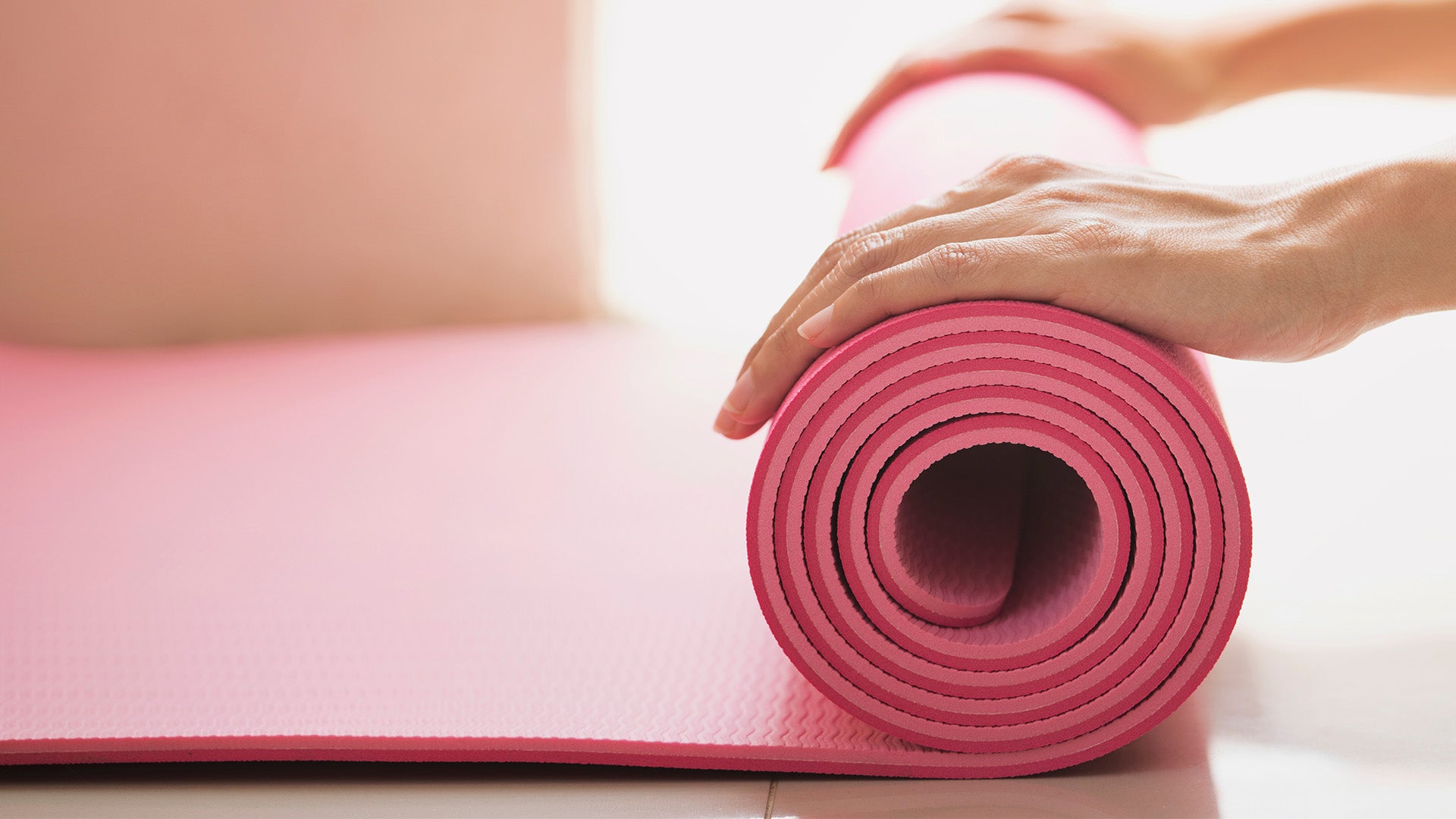
Stress is no stranger to us. It visits us at any moment of our everyday lives: that could be the moment when you see a long list of unread emails after returning from holiday, when your children are testing your patience or when you’re stuck in traffic… Stress has been linked to a wide range of health issues, including mood, sleep, and appetite problems and it can play a role in the causation of heart attacks. Therefore, it is important to relieve stress regularly to keep your heart healthy and maintain an emotionally balanced life. Yoga is known for calming your body and mind through breathing and asanas (postures), but don’t be intimated by the sound of it as yoga can be easily practised at home. All you need is a yoga mat and 15 minutes every day. Here are 7 easy yoga poses for beginners we tried that can help to relieve stress: 1. LEGS UP THE WALL Set your legs up against the wall. Bring your hips closer to the wall as you let your hip flexors relax. Relax your shoulder and breathe through your nose for 2 minutes. 2. STANDING FORWARD BEND Stand up, reach tall and exhale forward, then bend knees. Hold your opposite arms and hang loosely, or if you are flexible you can place your palms on the floor. Try to keep your head closer to your knees. For a deeper stretch, try straightening your legs. Hold this position for 6-8 breaths. Then inhale, stretch arms forwards, raise them and your torso back to the standing position. 3. CAT-COW POSE This is a good pose to massage your spine and relieve tension. Cat – Start on all fours, then while exhaling, round your back towards the ceiling and bring your navel up towards your spine. Bring it back to the neutral position, with spine and head aligned. Cow – Inhale and tilt your pelvis back so that your tailbone sticks up. Keep your abdominal muscles hugging your spine by drawing your navel in. Keep rotating these two positions for 6-8 times. Try to feel your spine in each position as much as you can rather than trying to speed up. 4. CHILD’S POSE Sit on your shins with your big toes touching and your knees sightly apart. Bring your palms to the front of your body and rest on the floor. Walk your hands forward until you feel like you can’t walk any further. Allow your stomach to rest on your thighs and your forehead to rest on the floor. Breathe and rest in the position for 2 minutes. 5. BRIDGE POSE Place your feet flat on the floor, hip width apart. Slide your arms alongside your body with palms facing down. Inhale and lift the hips up, rolling your spine off the floor. Squeeze your knees lightly together to keep the knees engaged. Press down into the arms and shoulders to bring the chest upwards. Engage legs and buttocks to lift the hips higher. Breathe and hold for 4-8 breaths. 6. HAPPY BABY Lie on your back and bend both knees. Catch the outside of your feet and breathe. Keep your lower spine touching to the floor, while keeping your chin closer to your chest. Gently rock left and right if you desire. Hold for 4-8 breaths. 7. CORPSE POSE Lie on your back with your legs apart to yoga mat width, arms by your sides with palms facing up. Let your eyes and face soften and close your eyes while breathing deeply. Bring attention to each part of your body starting at the crown of your head, all the way down to your toes. Hold this position for 2-5 minutes. This pose will help bring relaxation to your whole body to end your daily 15-minute practice. Start taking care of your body and mind today if you haven’t yet. Remember, they are the only places you live in.
Read more
HOW TO CREATE A MINDFUL WORK FROM HOME ROUTINE
Work from home, who wouldn’t want to? You get to sleep in longer, work in comfortable clothes and skip wearing makeup. The perks are endless, but it also takes extra discipline, boundary setting and practicing of self-care. Without doing so, it’s very easy to fall into a spiral of chaos and stress. To ensure you create a mindful work from home routine, here are a few of our own tips. Maintain a ritual and set boundaries between work and home Even though you’re still doing the same work you would in your office, your work from home routine will inevitably differ from your office one. You’re not commuting, ordering your usual coffee from the local café or having in-person meetings. Without these elements to help you maintain that work and home balance, it can feel like your days start blending into one.Apply clear boundaries so you’re not blurring the lines of work and play by incorporating bits of your office routine. Without a commute, it’s tempting to roll out of bed at 8:45am and jump straight into you work emails at 9:00am. If you normally wakeup at 7am, continue to do so – use that time to have a slow morning. Make your bed, stretch, have a wholesome breakfast, go for a walk, or read a few chapters of that book you’re reading.Set reminders to help you break up your day. You don’t want to get into the habit of eating lunch at your desk or working late into the evening – this can leave you feeling burnt out. Here’s an example to get you started.7am - 8am: Wakeup, make breakfast and coffee, get changed8am - 9am: Work emails and set your to-do list9am - 12.30pm: Start working on your to-do list. Have a mini rest break at 10am for 15mins to have a cup of herbal tea, mediation break or do something you love12.30 - 1.30pm: Lunch break outside1.30pm - 3pm: Go down your to-do list'3pm - 3.30pm: Get some fresh air, catch up with your family in the living room or zoom call .3.30pm - 5.30pm: Finish of the rest of your to-do list and shut down your computer.Create a to-do listWinging your day or trying to do too many things at once is a sure-fire way to stress yourself out. It’s not productive and it’s not healthy. A pro tip is writing your task list in order of priorities. Create a column for things you need to get done before 12pm and things you need to get after lunch time. Checking them off as you go is a great way to keep yourself motivated. But, don’t be so hard on yourself if you’re unable to complete a task – just add the task to the top of your list for the next day. Set your intentions and practice gratitude Gratitude journaling and intention setting is a simple tool to remind you about all the positive workings in your life. Gratitude journaling is super easy too: just write down or type the things you’re grateful for every morning or night. Drank 2L of water? Log it into your journal. Walked your dog on your lunch break? Log it into your journal. Had the best coffee of your life? Log that in too. There’s so much we can be grateful for, whether big or small - acknowledging it can help you become calm, self-aware and happy.Setting daily intentions and affirmations can also help you have a more successful and positive start to your day. Some positive work affirmations can be, “I am proud of what I’ve done and what I’m doing” or “I am in charge of how I feel and today, I am choosing happiness”. You can say these out loud or write them down on a sticky note and put it somewhere you can see while you work. If you ever feel flustered, return to your mantra and take a deep breath to keep yourself grounded.An open diary/planner on the calendar page and highlighter Practice Self-Care Self-care comes in all shapes and sizes, but the little things count just as much as the big things. Sip on a calming herbal tea while you work, wear soft clothes, play your favourite work playlist. All of our self-care practices differ, so do what you love most. At Jurlique, we keep bottles of facial mists by our desks and have something we like to call ‘misting moments’. Our Sweet Violet & Grapefruit Hydrating Mist is perfect for a misting moment and will instantly uplift your mood, while leaving you feeling refreshed and rejuvenated. If you feel like you’ve been typing too much, keep a hand cream handy - take a break and give yourself a mini-hand massage. Our Citrus Hand Cream is quickly absorbed so your keyboard won’t be left greasy and the distinct citrus scent will leave your senses enlivened. Have some downtime When you’re working from home, so much extra time is freed up. Use these as opportunities of downtime. Right after you get off a Zoom call, take the time to meditate. Close your eyes, be still and let your to-do list slip away for a moment while you inhale and exhale. On your lunch break, you could chill on your couch with a meal and catch up on your favourite Netflix show. Or switch your phone to flight mode and find a relaxing physical activity to do, such as yoga or go for walk. Yoga is known for calming the body and mind, and all you need is 15 minutes every day. Whatever you need to do to recharge, do it. Hygge your space Hygge (pronounced hue-guh) is a Danish word, that while has no direct translation to English, it can be compared cosiness and mindfulness. Meik Wiking, the author of The Little Book of Hygge: Danish Secrets to Happy Living says in his book that “The true essence of hygge is the pursuit of everyday happiness and it’s basically like a hug, just without the physical touch”. A few simple ways to embrace hygge living in your workspace is to open your curtains and bring in some natural light. Wear fuzzy slippers. Decorate your workspace with a candle or two, your favourite books, favourite flowers, even your favourite mug can count as decoration. The goal is to feel cosy. Have a good sleep schedule You want to ease yourself into the new day by starting with a good night routine. Before you go to sleep a good habit is to take the time to detox from technology at least an hour before bed. So you don’t wake up feeling groggy, avoid staying up too late, drinking too much wine or caffeinated beverages before you hit the sack. Instead get into bed with a book and calm your senses by adding a couple of drops of our Lavender Pure Essential Oil into a diffuser – before you know it you’ll be asleep.
Read more

